The AITECH Conference
The Maritime Standard AITech Conference 2026
24 November 2026 | Taj Exotica Resort, Dubai, UAE
Blog
March 2026
Digital Twins & Predictive Maintenance: Engineering the Self-Healing Fleet
Shipping has always been asset heavy. Steel, engines, propulsion systems, cargo infrastructure. Every component represents capital, risk, and operational dependency. For decades, maintenance was reactive or scheduled by fixed intervals. That model is rapidly becoming obsolete.
The phrase “self-healing fleet” is not a reference to autonomous robotic repair systems physically fixing engines mid-voyage. It describes something more strategic and far more powerful.
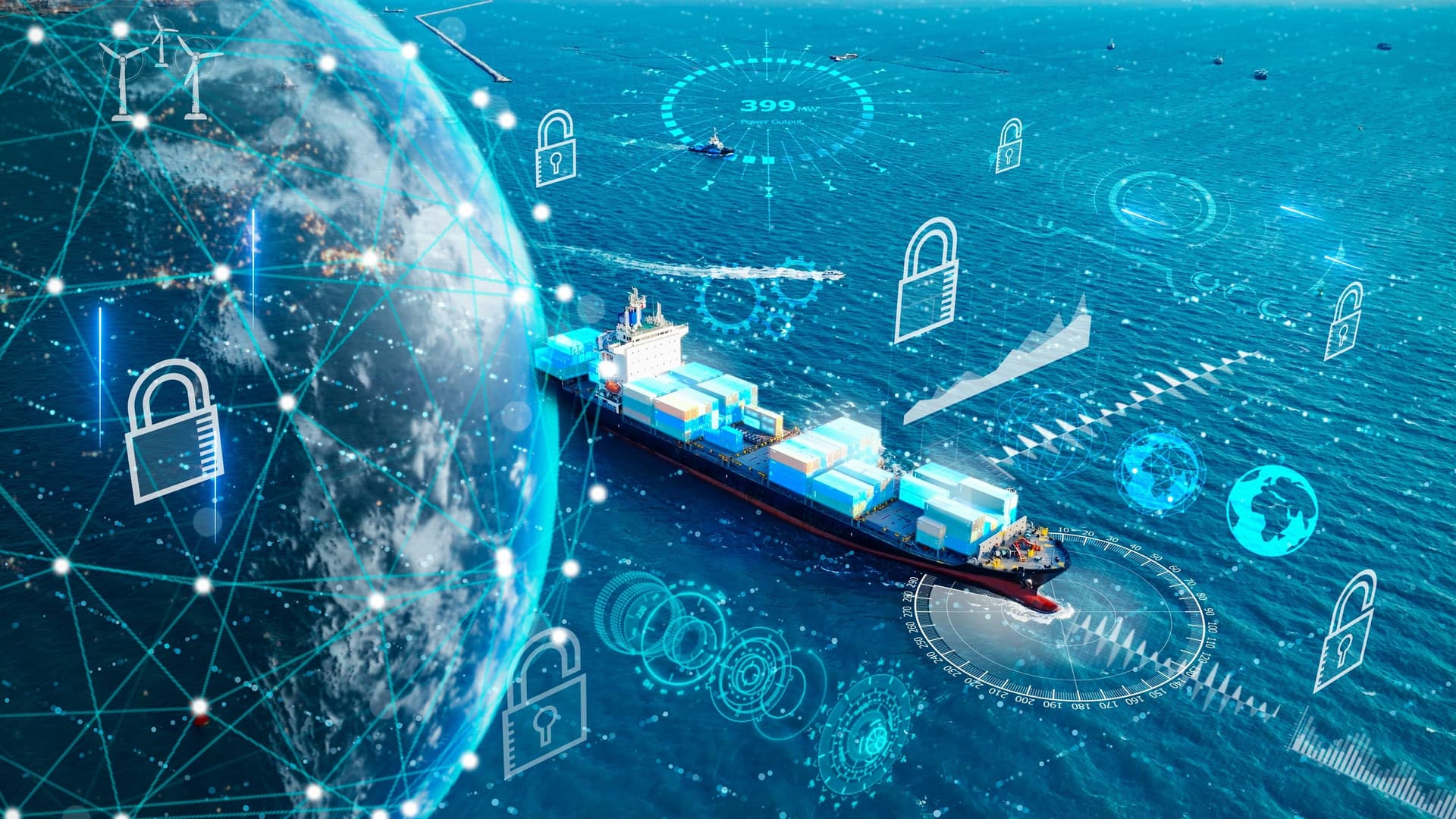
In the context of digital twins and AI-driven predictive maintenance, “self-healing” refers to a data-enabled capability where potential failures are detected early through continuous monitoring and machine learning analytics. Instead of reacting to breakdowns, systems anticipate them.
Sensors embedded across propulsion units, auxiliary machinery, structural components, and energy systems feed performance data into AI models. These models identify micro-anomalies, pattern deviations, and early warning signals long before they escalate into mechanical failure.
The intervention is preventive, not reactive.
Maintenance schedules are dynamically adjusted. Components are serviced before failure. Spare parts logistics are aligned in advance. Downtime is minimised because disruption is anticipated rather than endured.
In this sense, the fleet “heals” through intelligent detection and timely human-led intervention supported by AI insights. It is a closed-loop cycle of monitoring, analysis, prediction, and proactive action.
This distinction is critical. The transformation lies not in machines repairing themselves independently, but in AI enabling smarter, earlier, and more precise decision-making across fleet operations.
In 2026, the most competitive fleets are not just well maintained. They are digitally mirrored, continuously analysed, and algorithmically optimised.
Welcome to the era of Digital Twins and AI-driven Predictive Maintenance in Maritime Operations.
The Rise of the Digital Twin in Shipping
A digital twin is not merely a dashboard. It is a dynamic virtual replica of a physical asset, continuously updated through sensor data, machine learning inputs, and performance analytics.
In maritime applications, digital twins simulate:
- Hull stress and structural integrity
- Engine efficiency and vibration patterns
- Fuel consumption under variable load conditions
- Weather impact on vessel performance
- Lifecycle degradation of critical components
This virtual model allows operators to run simulations before real-world consequences occur. What happens to fuel efficiency under new routing conditions? How does engine performance degrade under certain temperature cycles? When is a component statistically likely to fail?
The twin answers before reality does.
For fleet managers, this shifts maintenance from calendar-based servicing to condition-based intelligence. Downtime becomes predictable. Spare parts logistics become optimised. Dry dock schedules become strategically timed rather than operationally disruptive.
At scale, this translates into measurable EBITDA improvement.
Predictive Maintenance: From Repair to Prevention
Predictive maintenance powered by AI uses historical data, anomaly detection, and pattern recognition to forecast component failure before it occurs.
Sensors across vessels feed data into machine learning models that identify deviations from normal behaviour. A minor vibration anomaly in propulsion systems can trigger alerts weeks before a breakdown. Abnormal fuel burn patterns may indicate inefficiencies requiring recalibration.
The benefits extend beyond cost savings:
- Reduced unplanned downtime
- Improved vessel availability
- Enhanced crew safety
- Extended asset life cycles
- Optimised spare parts inventory
In a high-volatility trade environment, reliability is currency. AI-enabled predictive maintenance turns fleets into resilient assets rather than fragile liabilities.
Strategic Implications for Owners and Operators
Investors and charterers increasingly scrutinise operational efficiency metrics. Fleet performance transparency now influences financing conditions and charter agreements.
Digital twins provide verifiable data. Predictive analytics strengthens compliance reporting. Asset health dashboards support ESG disclosures.
This is not only operational transformation. It is financial positioning.
The TMS AI Tech Conference 2026 will explore real-world implementation frameworks, cost models, and integration strategies for digital twin deployment in commercial fleets.
Leaders who understand the capital efficiency implications of AI-enabled fleet management cannot afford to miss this discussion.
On 24th November 2026, maritime engineering meets algorithmic intelligence.
Sponsors
Platinum Sponsor

Networking Reception
Multimedia
Delegate Bags
Valet Parking
Platinum Sponsor
Networking Reception
Multimedia
Delegate Bags
Valet Parking
Platinum Sponsor
Networking Reception
Multimedia
Delegate Bags
Valet Parking
Platinum Sponsor
Networking Reception
Multimedia
Delegate Bags
Valet Parking